
Blogs
Between Maps and Memories – Syrian Identity in Times of Conflict

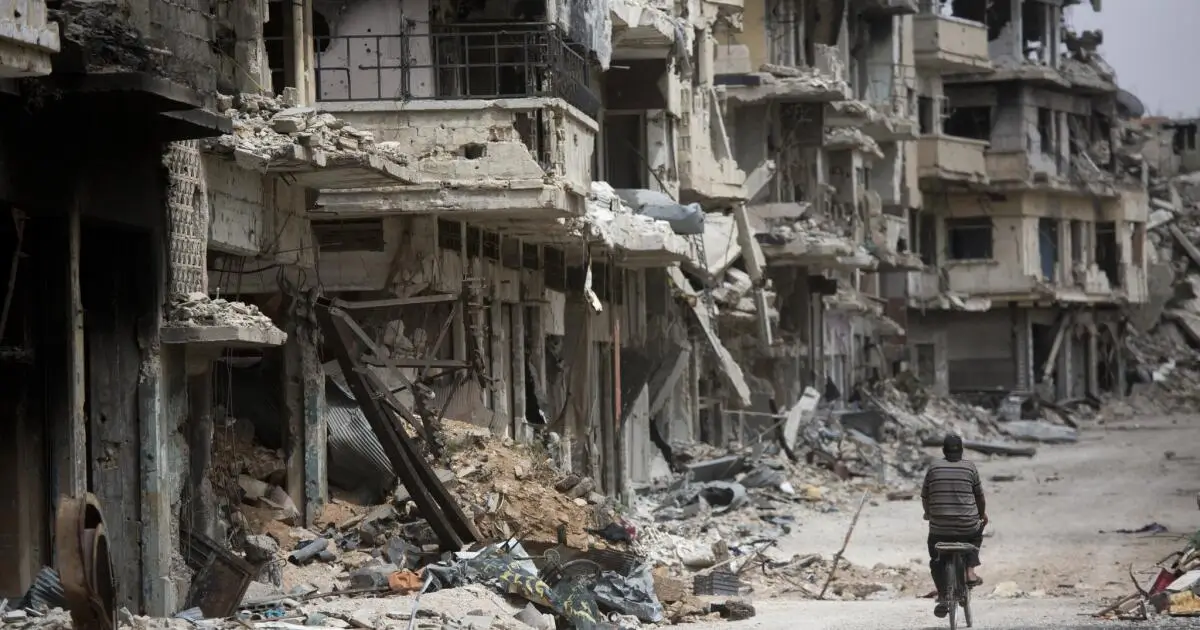
When I return to Syria in my dreams, it’s always by way of the homes I once knew, the street where I played, the courtyard I ran through. But I never truly recognize those places anymore. That’s when I feel the weight of Syrian identity in flux: conflict and loss of national belonging. It’s a question that, in the last decade, has become central: Who are we when our homeland is no longer recognizable?
We talk of exile, war, diaspora, but Syrian identity isn’t fixed. Conflict and loss don’t just change borders. They shift hearts.
Homes Forgotten, Memories Held
Millions have fled Syria since 2011. Many take pride in citizenship, language, and tradition. Yet even these shared symbols remain fractured. In exile, children ask where they’re from; answers come haltingly: Damascus, Aleppo, perhaps Homs. But those cities, even as they exist on maps, may not exist for them in the world they inhabit. And that is the essence of Syrian identity in flux.
I explored this in Damascus Has Fallen, which follows characters trying to hold onto their sense of self when the streets they once loved have been transformed beyond recognition. They aren’t political figures. They are people caught between memory and reality.
Identity as a Living Process, Not a Destination
Some say history erases identity. Others watch as language, customs, and food morph over time, and identify this as a loss. But exile taught me identity is alive. It changes. In detention camps, refugee neighborhoods, and cities across Europe, you see Syrian identity in flux, and, at its core, you see persistence.
This fluid identity often reappears in literature, fragmented, beautiful, searching. In Guard Thy Heart, the protagonist Paul Ollenson must reconcile a broken past with a fragmented present. His journey becomes an exploration of how you rebuild selfhood when everything familiar is fractured.
That tension between past and present, between where one was born and where one now belongs, is the landscape of Syrian identity in flux.
Beyond Borders, A Shared Belonging
When I speak to students in Berlin or Montreal, a Syrian identity emerges that isn’t tied to geography. It emerges through storytelling, cultural memory, food, and even heartbreak. People write in Arabic, French, and English, telling stories in the language they first learned, then adapt.
In exile, we sometimes hold onto our identity more tightly than ever, not out of nostalgia, but out of necessity. And when we write those stories, we create new ways of belonging beyond maps.
Remembering, Rewriting Belonging
To anyone wondering if they belong anywhere, know that belonging isn’t only about where you’re from. It’s about where your words land.
I invite you to consider Le Temps d’une saison, where displacement, love, and identity cross borders, languages, and expectations. It’s a book about how fragile belonging can be, and how powerful even a temporary connection becomes.
Final Note
If Syrian identity in flux has taught me anything, it’s this: that belonging isn’t obliterated by war; it is remade through memory, creativity, and shared stories.
So if your home doesn’t look the way it did in your mind, don’t think you’ve lost yourself. Perhaps you’re simply learning how to carry memory forward in new places, turning exile into witness, silence into narrative, loss into belonging that refuses to vanish.
