
Blogs
Authors Writing About Syria Who Refuse Simplified Narratives

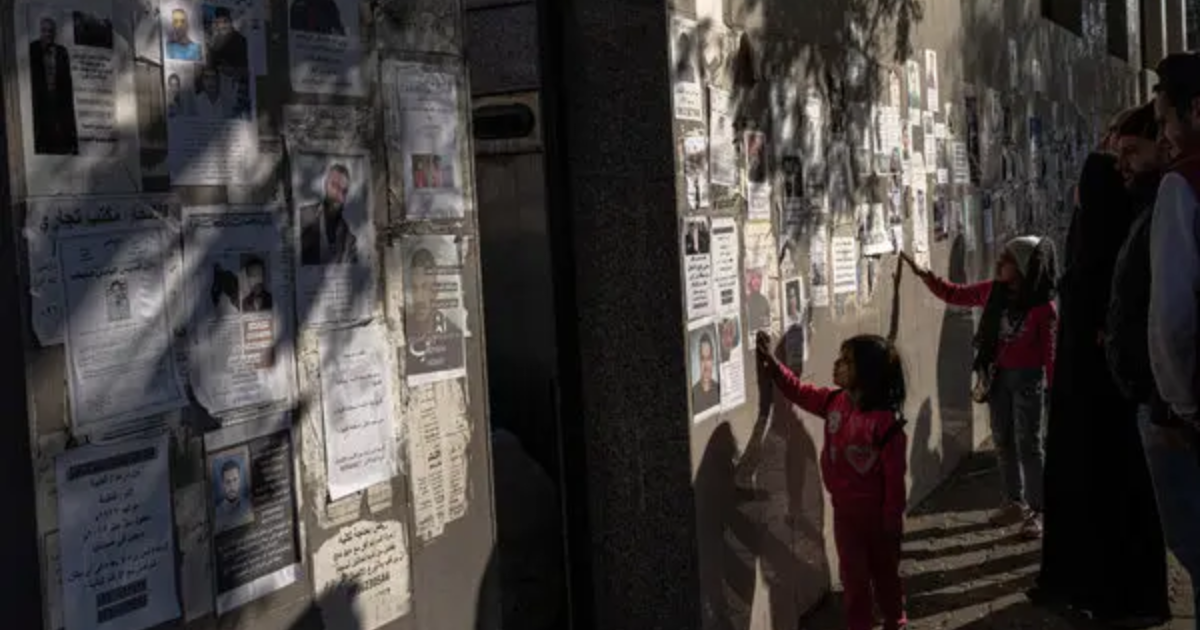
When I think about authors writing about Syria, I do not think in terms of visibility or reach. I think in terms of control. Syria has been framed repeatedly through political language, external interpretation, and compressed narratives. Literature must do something different. It must resist simplification.
Writers who approach Syria seriously do not attempt to summarize it. They avoid turning experience into explanation. Instead, they focus on individuals navigating systems that are already in motion. This is where fiction becomes meaningful, not in describing events, but in examining how those events are lived.
Below are writers whose work reflects that discipline.
1. Khaled Khalifa
Khaled Khalifa’s work stands out for its restraint. In In Praise of Hatred, ideology is not presented as stable or heroic. It is shown as something that shifts, fractures, and eventually reveals its limits.
Among authors writing about Syria, Khalifa avoids exaggeration. He does not elevate conflict into spectacle. Instead, he allows tension to build through character and environment. This creates a more accurate portrayal of how belief operates under pressure.
His work is effective because it refuses resolution. Characters are not guided toward clarity. They remain within contradiction, which is closer to reality.
2. Mustafa Khalifa
The Shell is one of the most controlled narratives to come out of Syrian literature. It addresses incarceration without dramatizing it. The tone remains steady, almost detached, which increases its impact.
This is a common trait among serious authors writing about Syria. They understand that intensity does not need to be amplified. It needs to be observed carefully. The psychological dimension becomes more important than the physical environment.
Mustafa Khalifa’s work demonstrates that restraint can carry more weight than confrontation.
3. Samar Yazbek
Samar Yazbek’s writing operates between fiction and lived experience, but what makes it effective is its focus on detail rather than declaration. She does not attempt to unify narrative into a single perspective.
Writers like Yazbek show that Syria cannot be approached through a singular lens. Fragmentation is part of the experience. Literature that acknowledges this becomes more credible.
Her work expands how readers engage with Syrian narratives by resisting closure.
4. Nihad Sirees
Nihad Sirees approaches authority differently. He focuses on how systems influence behavior indirectly. His narratives often explore how individuals adapt to constraint without overt confrontation.
This subtlety defines many authors writing about Syria who prioritize realism. Power does not always appear as force. It often appears as a habit, expectation, and limitation.
Sirees captures this with consistency, allowing readers to observe rather than react.
5. My Own Approach
In my own work, including Damascus Has Fallen, I focus on how pressure reshapes relationships. Authority enters private space. It alters trust, loyalty, and decision-making.
I do not attempt to reconstruct events. I examine the consequences. That is the responsibility I see in literature. It should not compete with journalism. It should reveal what remains unseen within it.
This approach aligns with what I value in other authors’ writing about Syria: discipline, restraint, and refusal to simplify.
Final Note
The strength of authors writing about Syria lies in their ability to maintain complexity. The most serious writers do not explain. They construct carefully and allow readers to engage without direction.
Syria does not need interpretation through literature. It needs representation that preserves its depth. That is where fiction becomes necessary.
