
Blogs
Psychological Effects of War on Families – Wounds Passed Quietly Through Generations

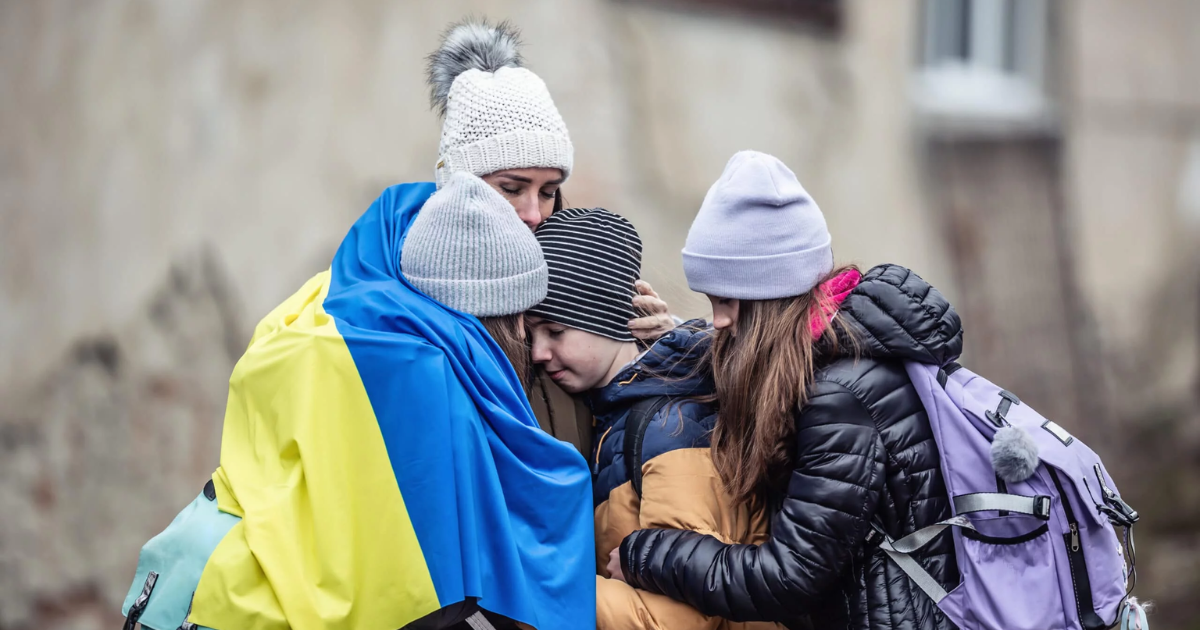
Whenever I speak with Syrians, whether inside the country or across the diaspora, one truth repeats itself: war does not end when the fighting stops. Its shadows travel with people, settle into families, and sometimes pass quietly to those who never saw the violence firsthand. The psychological effects of war on families do not shout; they whisper. They slip into daily routines, shape emotional patterns, and change the way entire generations relate to the world.
People often think trauma is limited to visible wounds. But the deepest scars in Syria are the ones carried inside homes, the silence at dinner tables, the nightmares, the sudden anger, the fear that arrives without warning. These are the wounds that never make headlines, yet they affect millions.
War Reshapes the Emotional Landscape of a Family
One of the most profound psychological effects of war on families is how it alters emotional foundations. Before the conflict, many households in Syria lived with a sense of predictable daily rhythm, meals together, children playing outside, and evenings spent with extended relatives. War disrupted all of that.
Parents who once felt confident suddenly carried fear in their eyes. Children learned to interpret expressions more than words. A loud noise could send hearts racing. Normal moments became unpredictable, and unpredictability became the new normal.
Even after reaching safer countries, many families discovered that trauma travels with them. The environment changes, but the mind continues to replay the past.
Children Inherit More Than We Realize
Another difficult truth about the psychological effects of war on families is that children often absorb pain they do not understand. A child may never see a front line, but they feel the stress in their parents’ voices, the tension in their bodies, the anxiety in their routines.
A generation born into displacement carries its own form of emotional inheritance. Some develop hyper-awareness, constantly scanning for danger. Others struggle with sleep, concentration, or trusting new people. Many parents, with good intentions, try to shield their children by staying silent. But silence can become its own form of communication.
In my book Damascus Has Fallen, I wrote about the emotional weight that follows families through every stage of the conflict. Fear becomes a second skin, and the desire to protect those we love becomes both our strength and our burden.
Mothers and Fathers Carry Different Shadows
War reshapes motherhood and fatherhood in different ways. Many Syrian fathers I have spoken to describe feeling helpless, unable to shield their families from danger or provide stability. This sense of failure, even when undeserved, leaves a lasting emotional mark.
Mothers carry their own wounds. Some lived through the terror of sudden displacement while pregnant or caring for young children. Others held their families together through fear, hunger, and uncertainty. Their resilience is immense, but resilience comes at a cost.
These gendered experiences shape family dynamics long after the conflict ends. Understanding the psychological effects of war on families requires acknowledging these different burdens, neither heavier, but both profound.
The Weight of Silence Across Generations
Perhaps the quietest impact of war is the silence it creates. Families often avoid discussing trauma to protect one another. Parents hide what they experienced. Children avoid asking questions. Pain becomes an unspoken agreement.
But silence, if left unaddressed, becomes a bridge through which trauma crosses generations. A child may not know why their mother wakes at night, but they feel the anxiety. A teenager may not understand why their father avoids certain conversations, but they absorb the tension.
Healing begins when silence is replaced with gentle truth.
The Path Forward: Small Conversations, Slow Healing
The psychological effects of war on families are not hopeless. Syrians are remarkably resilient. Healing is slow, but it is possible. It begins with honesty, telling children what happened in ways they can understand. It continues with community, surrounding families with support, not isolation. And it grows through expression, whether through therapy, writing, prayer, poetry, or simply speaking aloud the emotions too long held inside.
I have seen families in the diaspora rebuild stability with extraordinary grace. I have seen children who grew up under airstrikes now excelling in universities. I have seen parents who once walked across borders rebuild lives from nothing. These stories deserve to be told because they remind us that trauma does not have to be destiny.
Closing Reflection
Understanding the psychological effects of war on families means understanding that war’s reach extends far beyond battlefields. It enters living rooms, dreams, and memories. But so does hope. The human spirit, even when shaken, has a remarkable ability to rise, not untouched, but unbroken.
Syria’s healing will not be swift, but it will come. One family at a time. One conversation at a time. One brave step toward reclaiming peace within ourselves.
